Why Cushions Matter More Than You Think
Cushions are the easiest way to completely change how a room feels. They're affordable, moveable, and honestly? They make the biggest visual impact for the money. But here's the thing — throwing random pillows on a sofa doesn't work. It looks accidental, cluttered, and expensive design choices get lost.
The difference between a sofa that looks thrown together and one that looks intentional comes down to three things: color choice, texture mixing, and how you arrange them. We're going to walk through each one so your cushion arrangement actually looks like you planned it.
Color Strategy: The Foundation
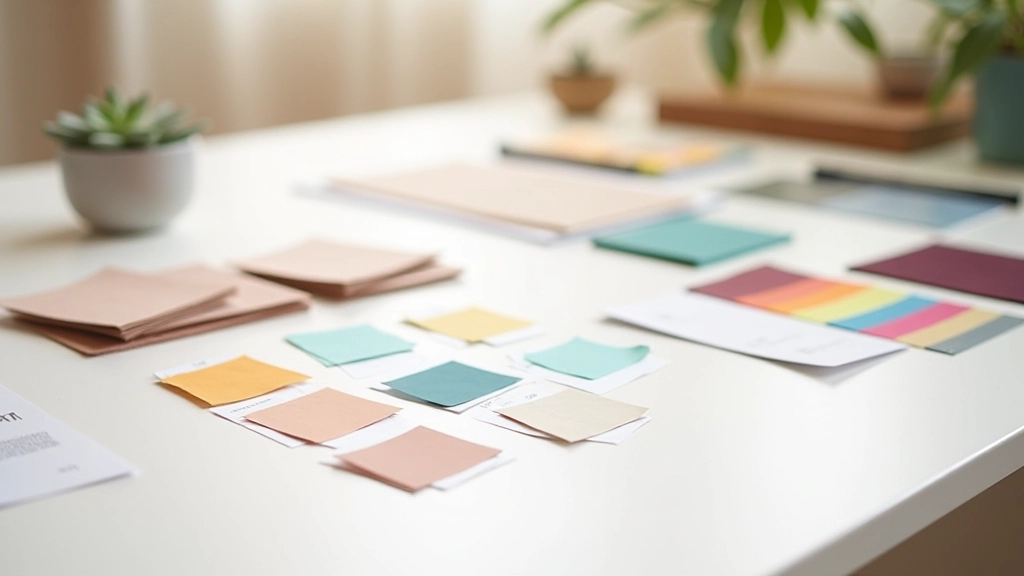
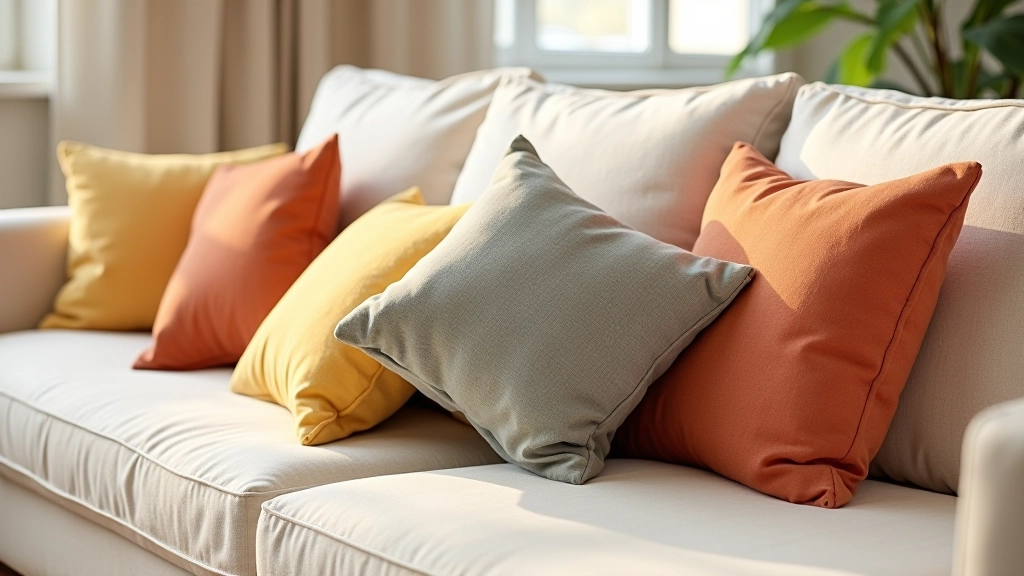
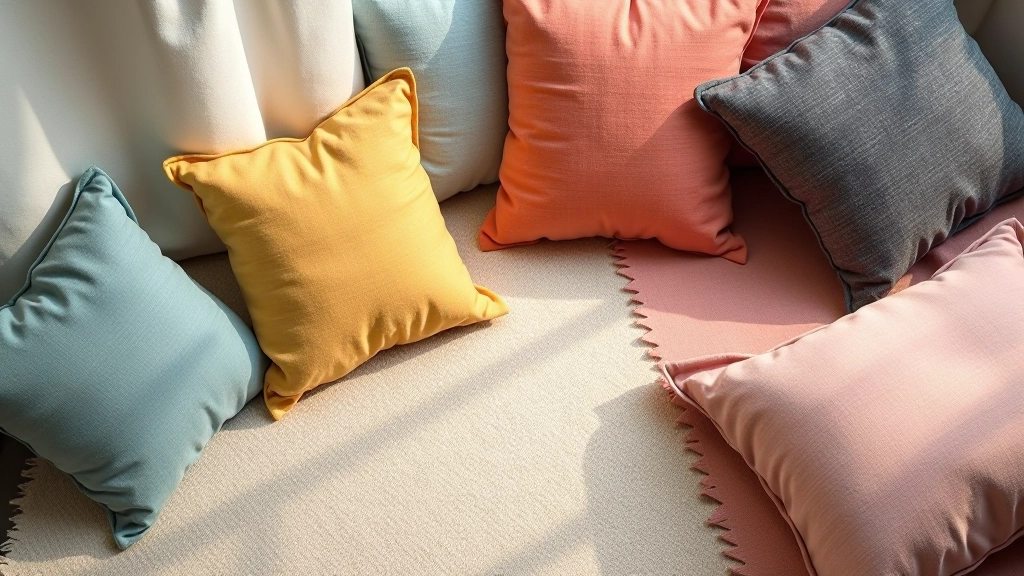
Start with one color you love. Not multiple colors — just one. That's your anchor. For a cream sofa, you might choose deep teal. For a grey sofa, maybe a warm rust. Pick whatever actually makes you happy when you look at it.
Once you've got your anchor color, here's the rule: 60% neutral, 30% your anchor color, 10% accent. This means most of your cushions stay in cream, white, grey, or beige. About a third of them feature your main color. And then one small pop — maybe a patterned pillow with a contrasting shade or a metallic accent.
Quick tip: If you're uncertain about color, start with white or cream base cushions first. You can always add color on top without it looking chaotic.
Note: Color preferences vary by personal taste and room lighting conditions. What looks perfect in natural daylight might feel different under artificial lighting. We recommend viewing fabric samples in your actual space before purchasing larger quantities.
Texture Creates Visual Depth
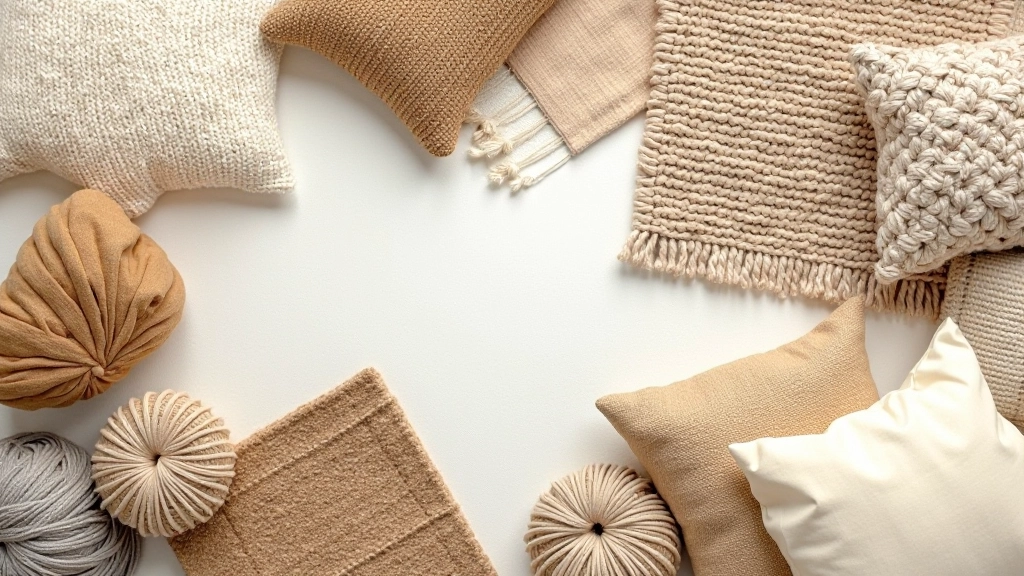
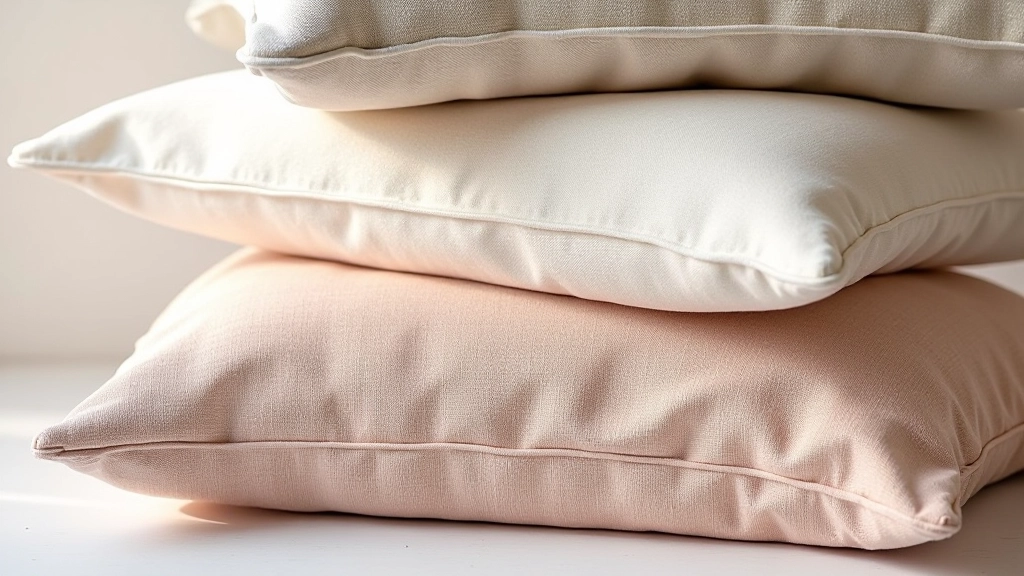
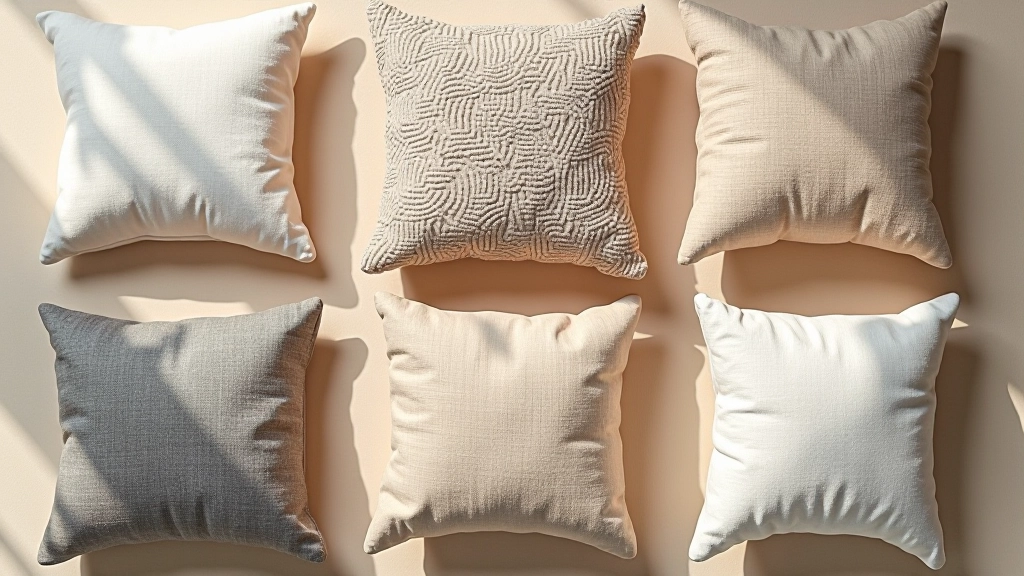
A sofa with all smooth linen pillows looks flat. Add a chunky knit, a velvet cushion, and a woven texture, and suddenly there's something interesting happening. Texture is what makes an arrangement feel expensive and curated.
Mix at least three different textures across your cushion group. Linen, cotton, velvet, wool, and linen blends all work well together. The key is variation — you want someone's eye to travel across the sofa because there's something new to look at in each spot. A 16×16 inch pillow in smooth linen next to a 20×20 inch knit cushion next to a smaller 12×12 velvet accent pillow creates natural rhythm.
Don't overthink it. You're looking for tactile interest, not a lesson in textile engineering. If it looks different and feels different when you touch it, it's doing its job.
Placement That Actually Works
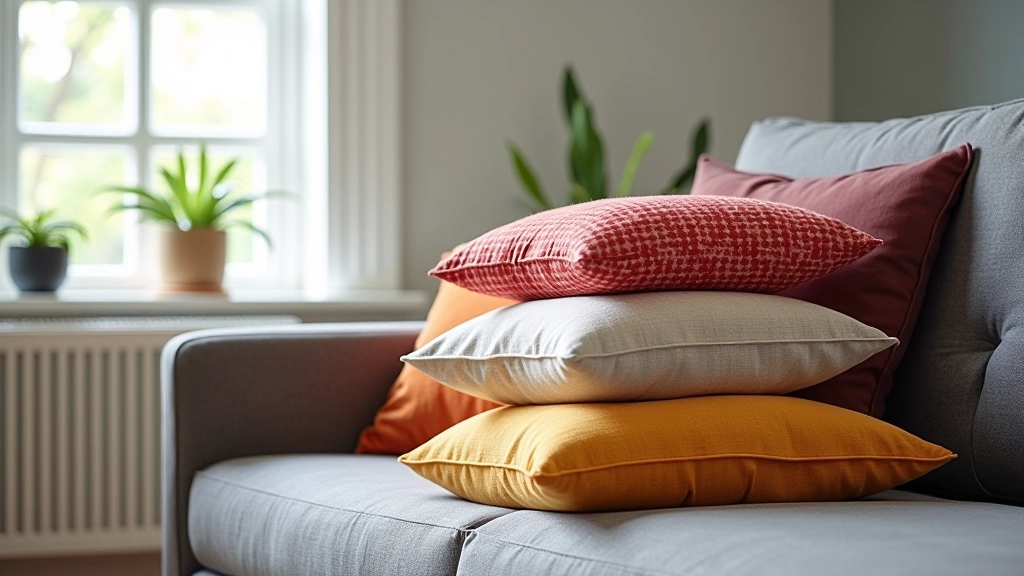
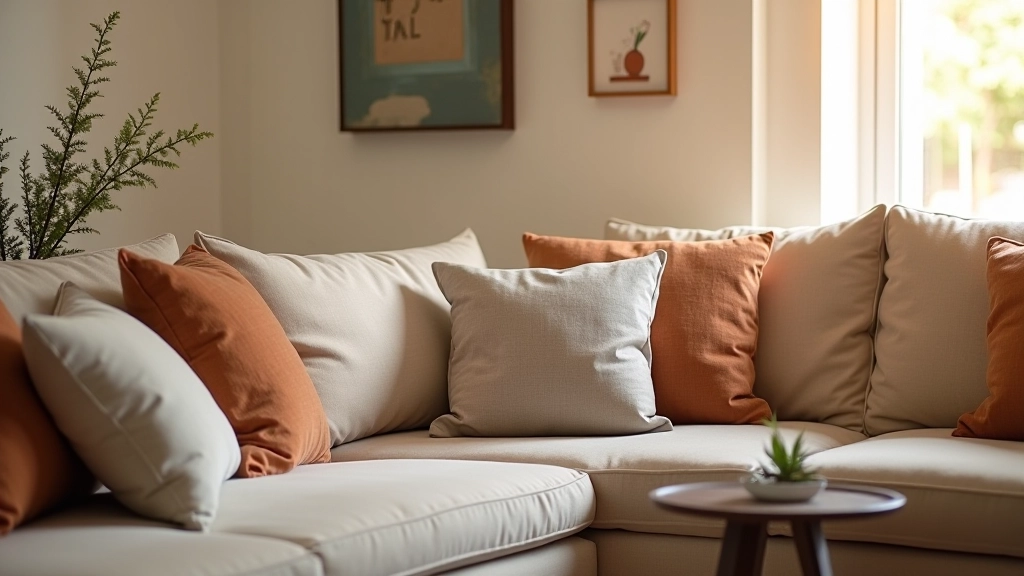
Here's where most people go wrong: they line cushions up evenly like soldiers. Instead, you want staggered heights and varying angles. This is what makes an arrangement look intentional rather than staged.
For a three-cushion setup, try this: place the largest square pillow upright in one corner, lean a lumbar or rectangular pillow against it at an angle, and tuck a smaller accent pillow in front. The variation in size, orientation, and depth creates visual interest. You're not creating a barrier — you're building a landscape of texture and color that invites someone to actually use the sofa.
Don't cram every inch. Negative space matters. An overstuffed sofa looks chaotic. You want your cushions to enhance the seating, not prevent it. If someone can't actually sit down, you've overdone it.
Getting Sizing Right
Standard square pillows come in 16×16, 18×18, and 20×20 inches. Lumbar pillows typically run 12×20 or 14×26 inches. For most three-seater sofas, you're looking at one large square (20×20), one medium square (18×18), one lumbar, and maybe one or two small accent pieces (12×12 or smaller).
A good starting point? Three to five cushions total. Any more than that on a standard sofa and you're fighting for seat space. Any fewer and the arrangement feels sparse. This also depends on your sofa's actual size — a deep sectional might handle six or seven, while a compact loveseat works better with just two or three.
The Real Secret
Cushion layering doesn't require expensive designer pillows or perfect taste. You're working with three simple principles: stick to a color strategy, mix textures, and vary your arrangement. That's it. Start with what you have, add one or two new pieces in your chosen color and texture, and see how it feels. You can always adjust. The beauty of cushions is that they're forgiving — unlike paint or furniture, you can change them whenever you want. Build your arrangement gradually, step by step, and trust that small adjustments add up to something that feels completely intentional.
Want more interior upgrade ideas? Explore other textile and accent techniques.
Browse All Interior Guides