Why Color Accents Matter
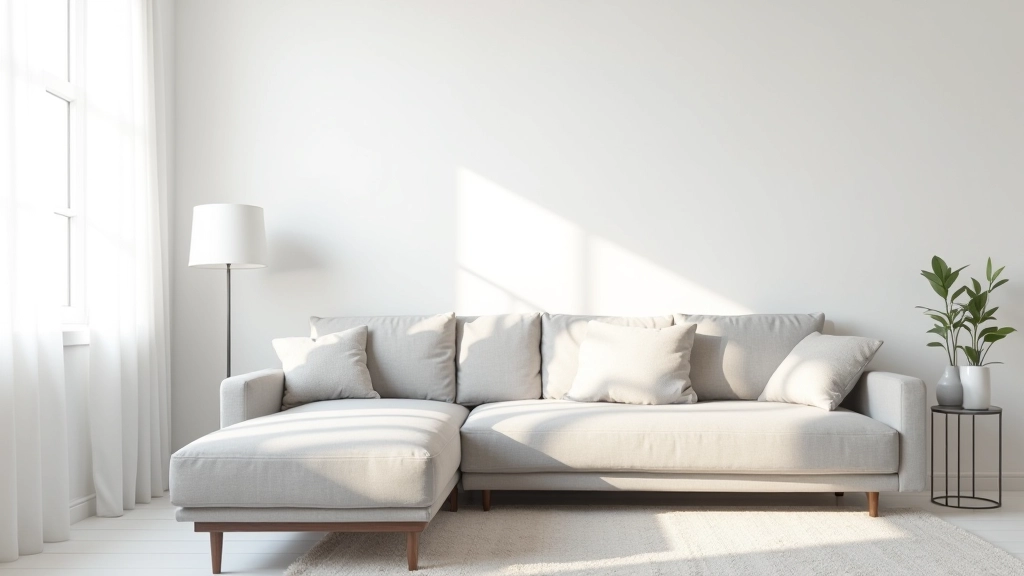
Color is one of the fastest ways to transform a room. It's not about painting walls or replacing furniture — it's about using strategic pops of color to wake up a tired space and give it personality. A neutral room suddenly feels intentional when you add the right accent colors through textiles and accessories.
The best part? You're not locked into anything. Throw pillows can be swapped out in seconds. A wall hanging can come down. If you don't like how something looks, you've got nothing to lose except maybe some time rearranging. That's the freedom of color accents — you can experiment without commitment.
Starting with Pillows and Throws
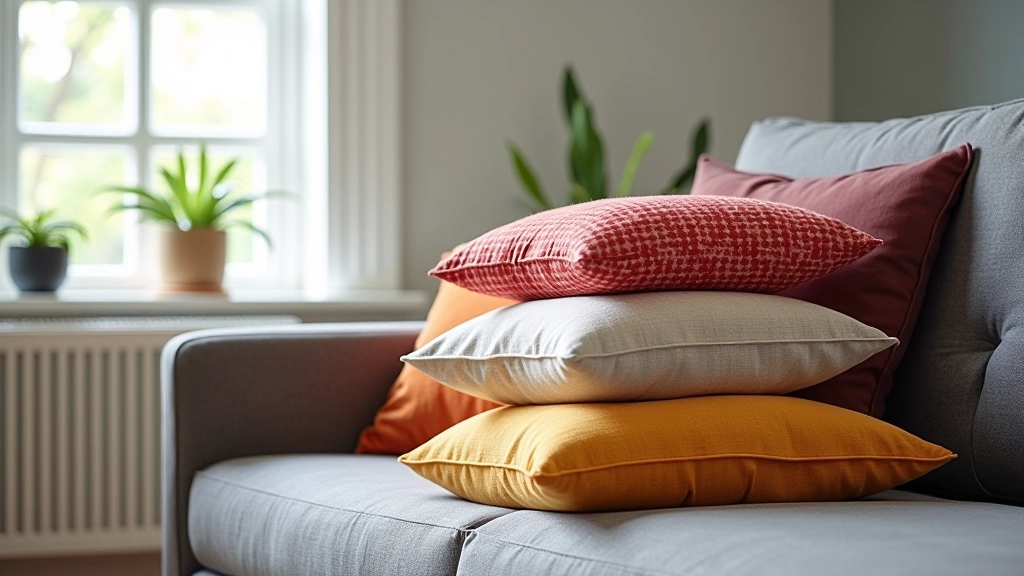
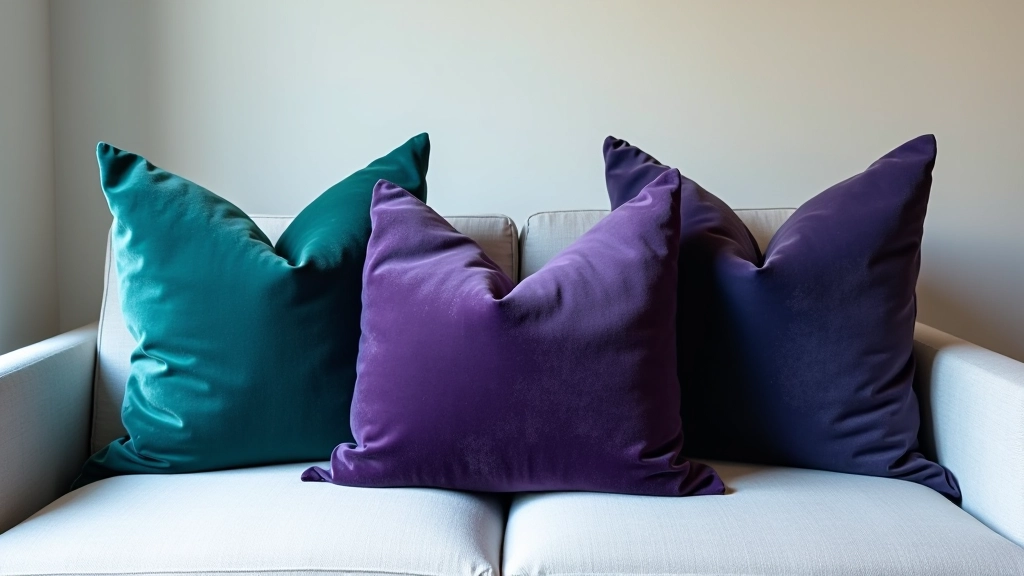
This is where most people begin, and for good reason. A pillow swap is reversible, affordable, and instantly visible. You're not stuck with your choice forever. Start by picking 2-3 accent colors that complement your existing furniture. Don't overthink it — if the colors make you happy when you look at them, they're probably right.
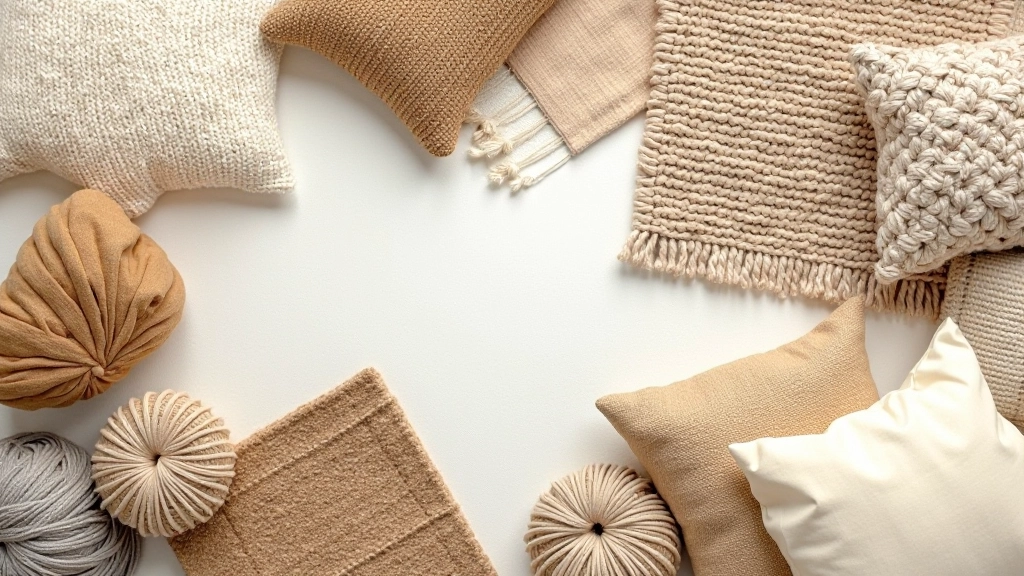
Layer different textures alongside your colors. A smooth velvet pillow in coral next to a linen one in cream, with a chunky knit throw draped over the arm. That mix of textures is what keeps a color-accented space from feeling flat. You'll notice rooms with depth always have that variety — smooth, rough, matte, shiny all working together.
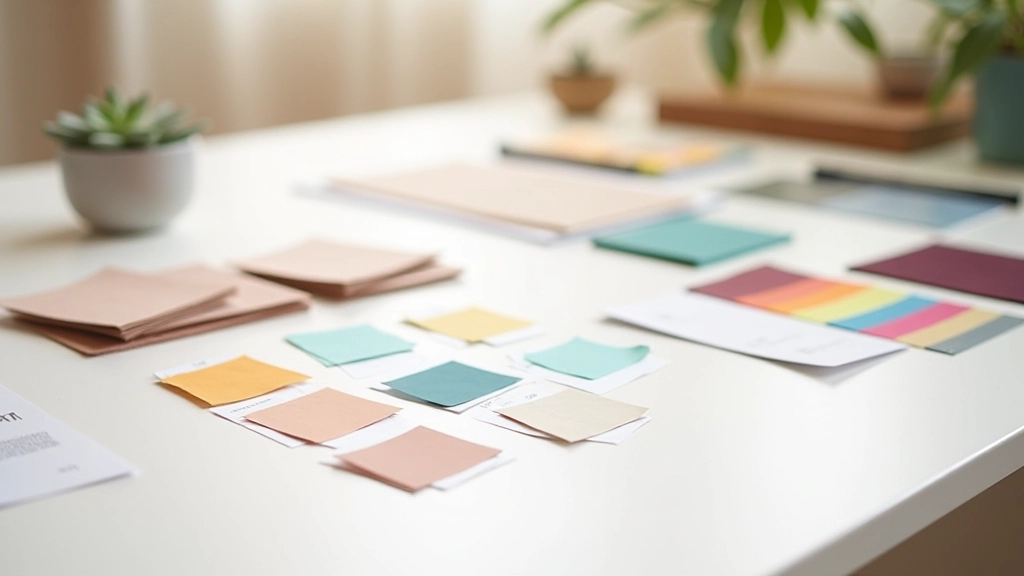
Design Note: The suggestions in this article are informational and based on general interior design principles. Individual spaces vary greatly depending on natural light, existing color palettes, and personal preference. What works in one home may need adjustment in another. Always test color samples in your actual space during different times of day before committing to larger purchases.
Building with Wall Art and Accessories
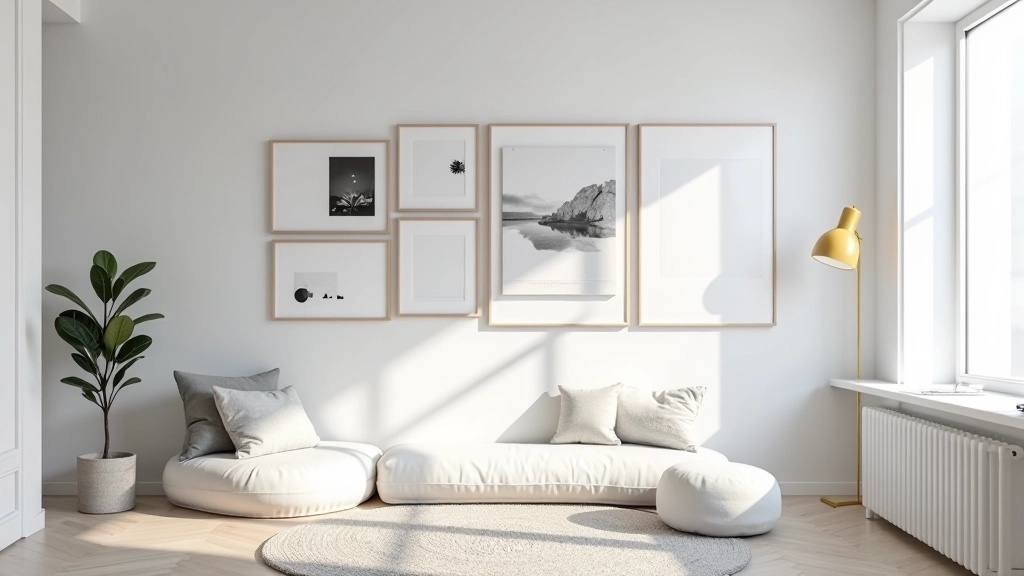
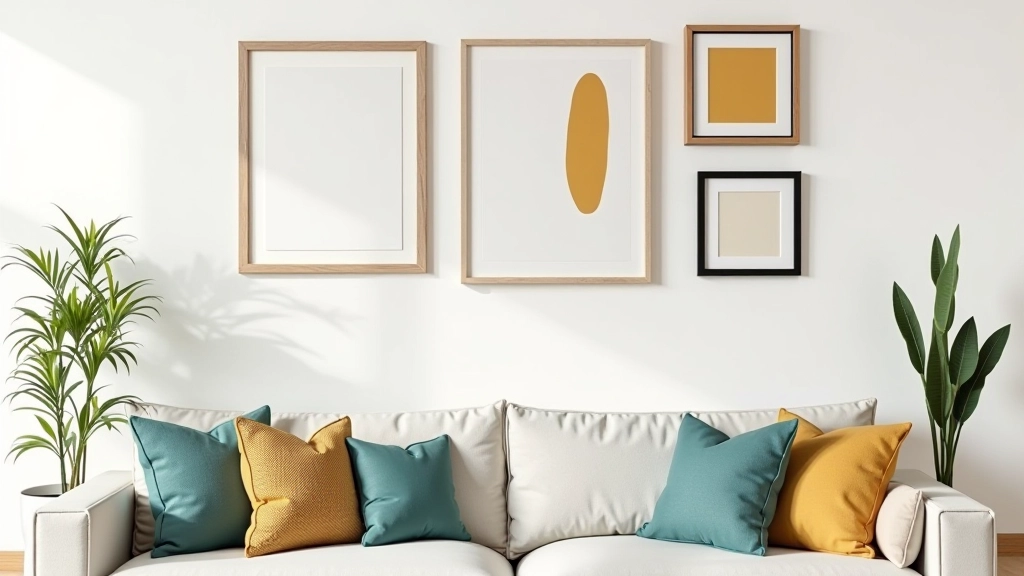
Once pillows and throws are in place, wall art becomes your next accent tool. A gallery wall with frames in various finishes — some natural wood, some black, maybe one painted gold — creates visual interest. But the real magic happens when your artwork introduces or echoes your accent colors. If you've chosen deep teal pillows, hang a print with teal as the dominant color. The room starts feeling cohesive, not random.
Small accessories do more work than you'd expect. A vase in your accent color. Books stacked on a shelf with colorful spines. A patterned rug that ties colors together. These pieces aren't expensive individually, but together they create a sense of intentional design. You're not just decorating — you're telling a story with color choices.
Using Rugs and Lighting to Anchor Color
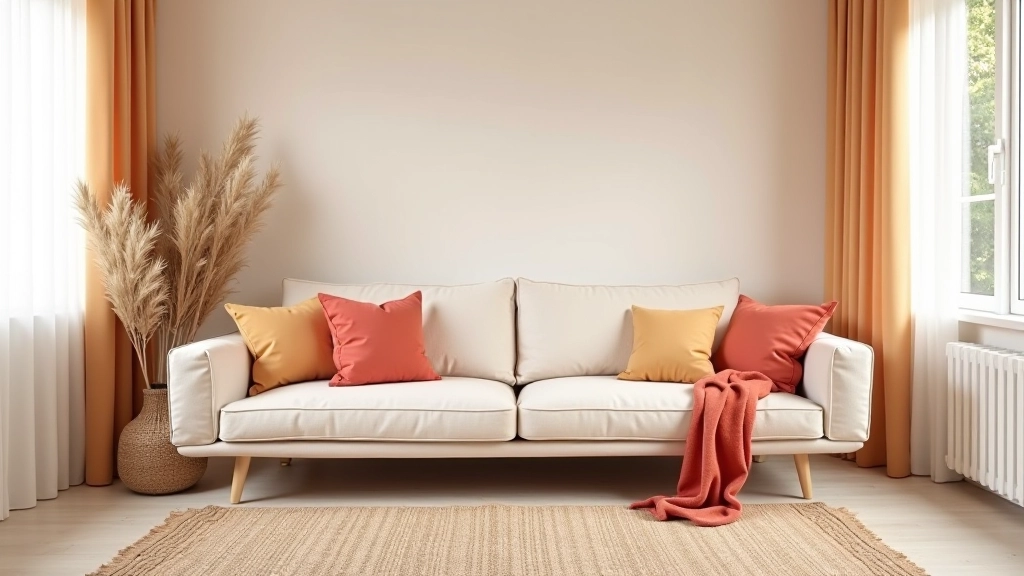
A rug does more than define a seating area — it's a chance to introduce color while keeping things grounded. A neutral room with deep jewel-tone accents needs a rug that bridges the gap. Consider something in a warm neutral or a subtle pattern that includes one of your accent colors. The rug becomes the foundation that says "this was planned."
Lighting affects how colors actually look in your space. That accent color you loved in the store might shift under different light. Warm bulbs bring out golden and orange tones. Cool light can make colors feel more sophisticated but also colder. Spend a few evenings looking at your space under different lighting conditions. If a color doesn't feel right at night, maybe it's the bulb temperature, not the color itself.
Making It Work in Your Space
The real secret to successful color accents is restraint combined with intentionality. You're not trying to fill every surface with color — you're creating focal points. A single well-placed accent draws the eye and gives a room character without chaos.
Start small. Add one colorful element. Live with it for a week. Does it make you happy? Does it work with your light? Then add another. This gradual approach means you're never overwhelmed and you can adjust as you go. Your home doesn't need a complete overhaul to feel fresh. Sometimes it just needs a splash of the right color in the right place.
The beauty of this approach is that it's forgiving. Unlike paint or major renovations, color accents through textiles and art can be changed, adjusted, or completely swapped out whenever you want. You're not committing to a decade-long design — you're giving yourself permission to experiment and evolve your space as your taste develops.