Why Gallery Walls Matter
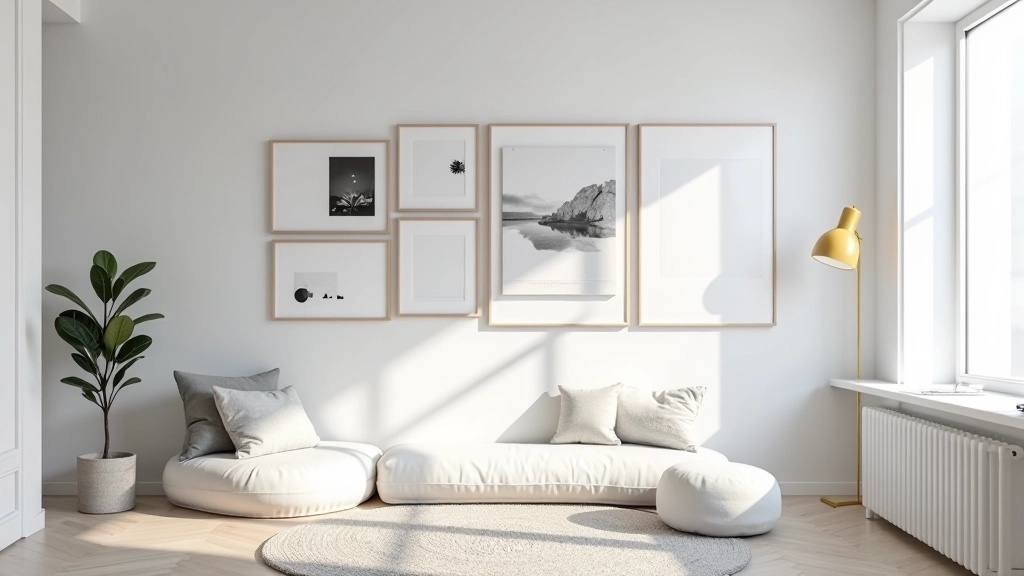
A gallery wall isn't just decoration. It's a way to tell your story on your walls. When done right, it transforms a blank space into something personal and intentional.
The thing is, most people either hang nothing (leaving walls bare) or hang random pieces without thought. Neither works. A proper gallery wall balances visual weight, respects spacing, and creates flow that actually makes sense.
You don't need to be an interior designer. You just need a plan. We'll walk through how to create one that feels right for your space.
Start With a Plan
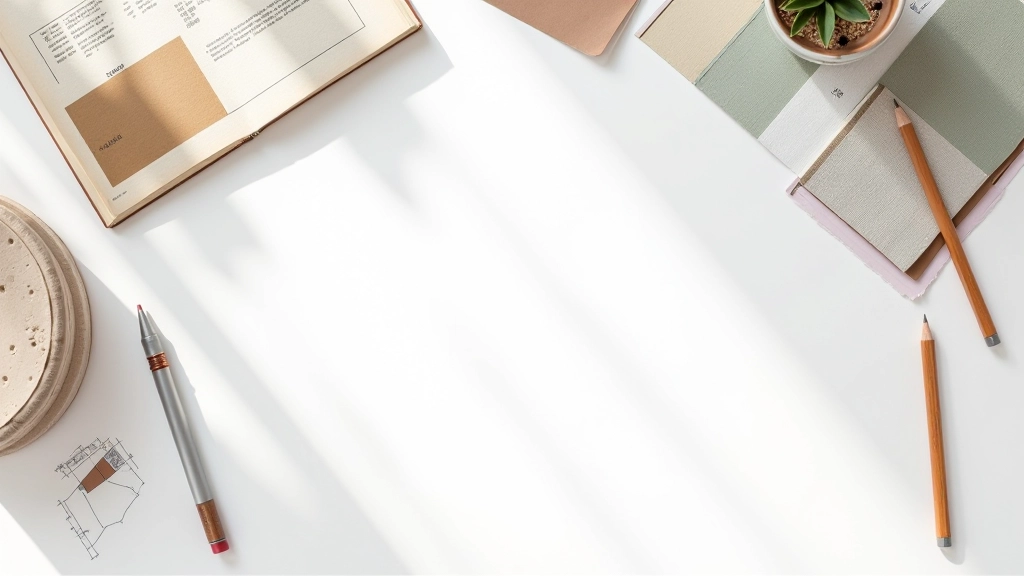
Before hanging a single nail, you need a sketch. Grab paper and pencil — yes, actual paper. Draw your wall to scale and arrange your frames on the sketch first.
Here's what makes this step work: You'll catch spacing problems before they happen. Most people skip this and end up with a lopsided arrangement they have to fix three times.
Measure your wall space. If it's 200cm wide and 250cm tall, draw it on graph paper at 1cm = 10cm. Then cut out paper shapes to match your frames and move them around. It takes 20 minutes but saves hours of frustration.
This also helps you figure out how many pieces you actually need. Don't just buy frames randomly. Count what you have, understand the sizes, then shop intentionally.
Key Spacing Rules That Work
- Keep gaps between frames consistent — typically 5-10cm. This creates rhythm.
- Distance from wall edges should be at least 15-20cm. Don't push frames into corners.
- The center point of your gallery wall should be at eye level (around 155-160cm from floor). This is where people naturally look.
- Odd numbers of frames (3, 5, 7) tend to feel more balanced than even numbers.
Choosing Your Frames
Frame selection makes or breaks a gallery wall. You've got options — and that's where people get stuck. Here's what actually works.
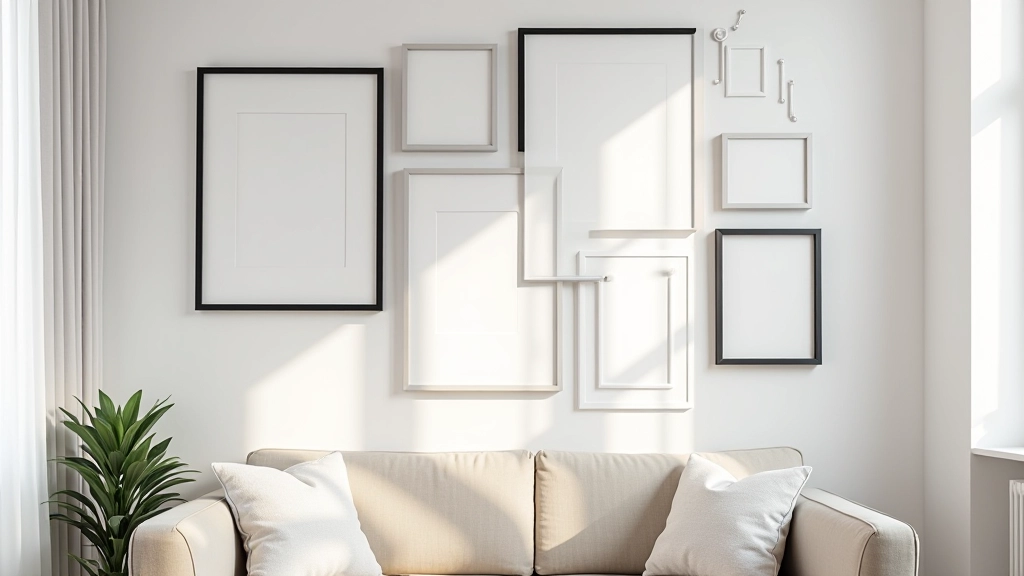
Stick to 2-3 frame colors maximum. Black frames, white frames, or natural wood. Mix them intentionally, not randomly. A gallery with black, white, and wood frames can look cohesive if you distribute the colors evenly.
Vary frame widths slightly (thin frames 2cm, thicker frames 3-4cm) but not drastically. The goal is harmony, not chaos. Your eye should move smoothly across the wall, not jump around.
Consider what you're framing. Posters, photographs, prints, or original art? The frame style should complement what's inside. A delicate line drawing in a heavy frame feels wrong. A bold abstract print in a thin frame can feel cheap.
Information Note
This guide provides educational information about gallery wall planning and installation techniques. Actual results depend on your wall type, frame weight, available space, and installation method. For walls with special finishes (wallpaper, textured surfaces) or for heavy artwork installations, consider consulting a professional installer. Always follow manufacturer guidelines for hanging hardware and wall anchors.
Installation Matters
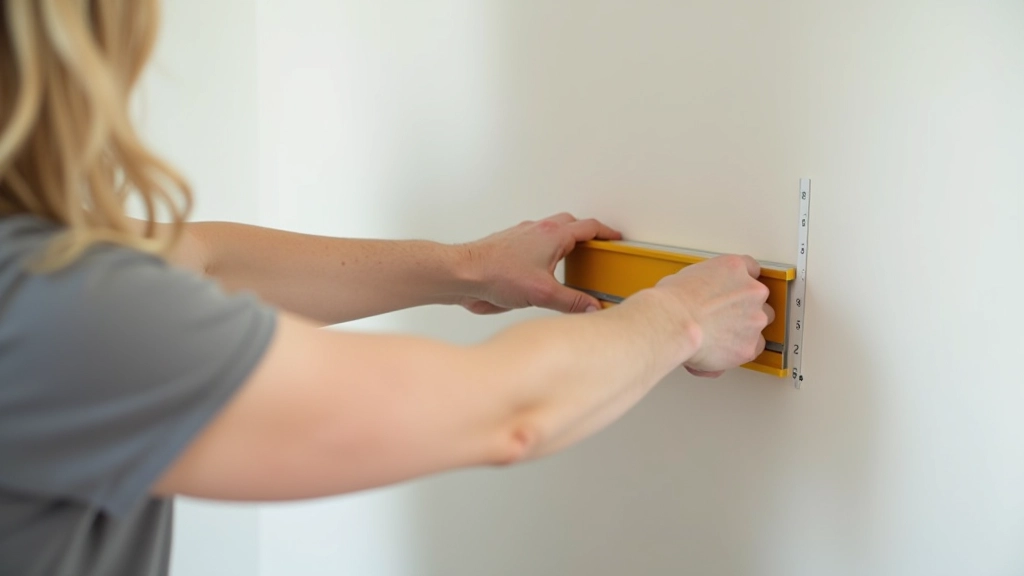
Once your plan is solid, installation is straightforward. Don't skip the level. Seriously.
Use painter's tape to mark where each frame goes. Position tape on the wall following your sketch. Then hold frames up (without nails) and verify it looks right. You can adjust tape easily. Once you're happy, you know exactly where to hang each piece.
For most frames up to 3kg, standard picture hooks work fine. For heavier pieces, use appropriate wall anchors. Don't guess on hardware — check frame weight and wall type before you start.
Hang from the top down. Start with your center or top piece, then work outward. This keeps you oriented and prevents mistakes. Take your time — this isn't a race.
Creating Visual Balance
Balance doesn't mean everything is identical. It means visual weight feels even across the wall.
Dark frames feel heavier than light frames. Large images feel heavier than small ones. Bold colors feel heavier than muted tones. So if you have a large, bold piece with a dark frame on the left, balance it with another substantial piece (or multiple smaller pieces) on the right.
A common mistake is clustering all the big pieces on one side. Your eye gets stuck there. Spread visual weight around. This creates movement and makes the whole wall feel intentional.
Stand back frequently while hanging. View from different angles and distances. What looks balanced up close might feel off from across the room.
The Real Payoff
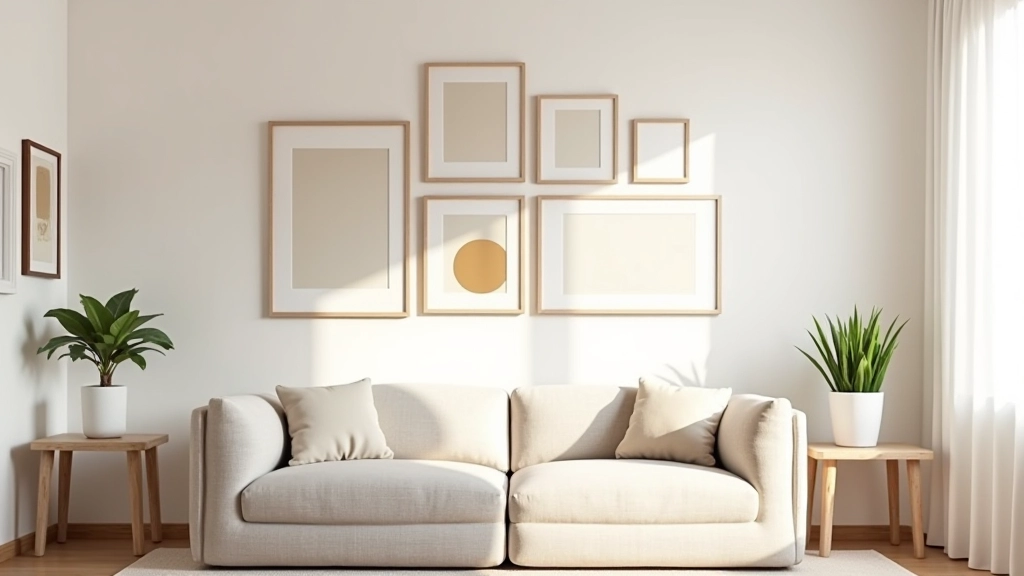
A well-planned gallery wall changes how a room feels. It's no longer blank. It's yours. The space has personality because you chose what goes there and arranged it thoughtfully.
Start small if you're nervous. A 3-frame arrangement teaches you everything. Once you see it work, you'll understand the principles well enough to expand or try different layouts.
The best gallery walls aren't complicated. They're just planned. Sketch it, measure it, hang it straight, step back, and enjoy what you've created. That's the whole process.