
Why Rug Size Matters More Than You Think
Getting the size right is probably the most important decision you'll make. A rug that's too small will make your room feel choppy and disconnected. Too large, and it overwhelms the space. There's a reason designers obsess over this — it's the foundation of your whole layout.
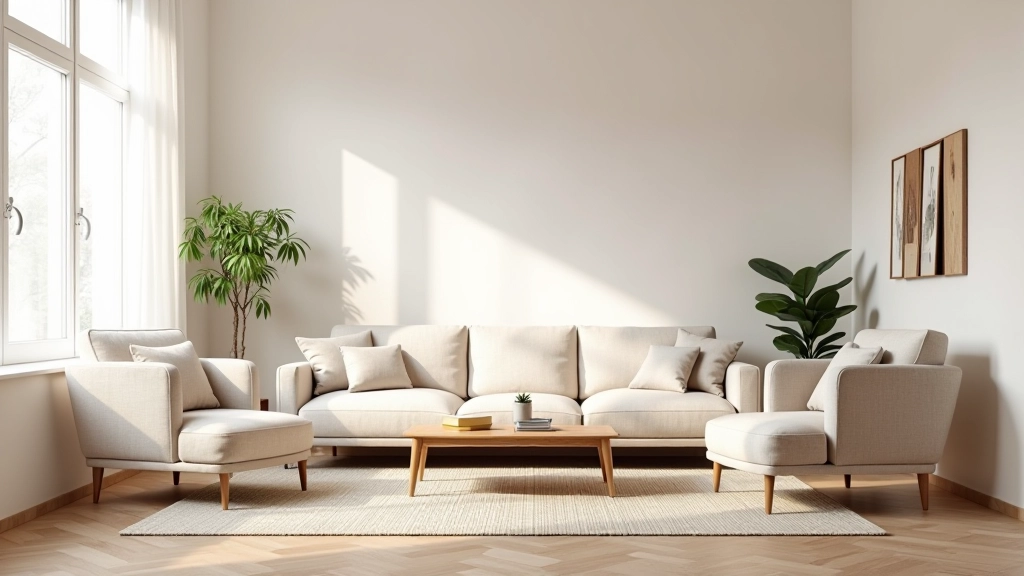
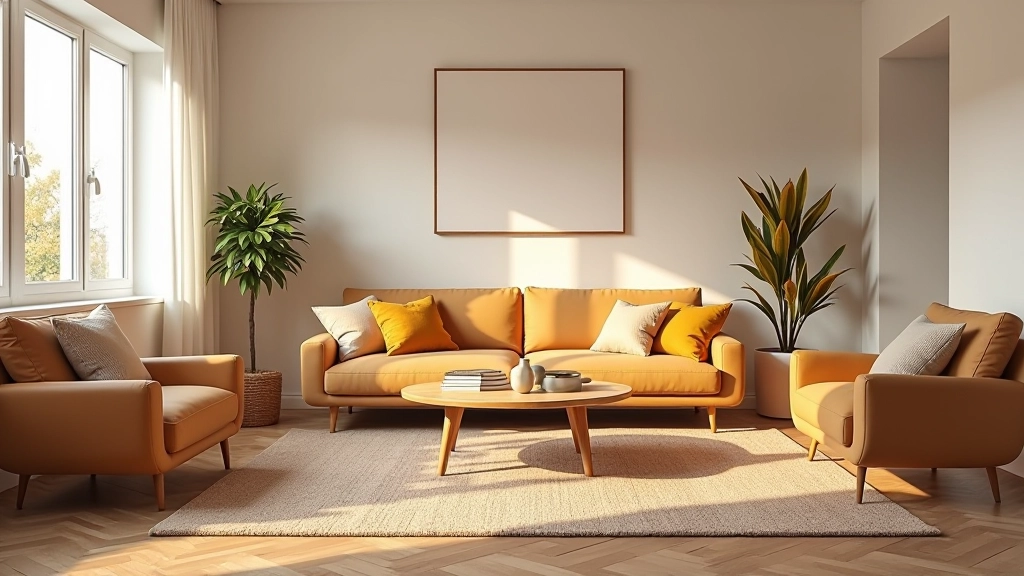
For living rooms, you've got a few common approaches. The most popular? Pull your front two furniture legs onto the rug. This anchors your seating area without eating up the entire room. We're talking a 8x10 or 9x12 rug for most standard living rooms. Bedrooms work differently — you'll want the rug to extend at least 2-3 feet on either side of the bed. Dining areas need enough coverage so your chairs don't scrape bare floor when you pull back from the table.
Small spaces need smart thinking. A 5x7 rug in a tight room can actually make things feel larger if you leave breathing room around it. Don't cover wall-to-wall — that cramped feeling defeats the purpose.
Materials: What Works Where
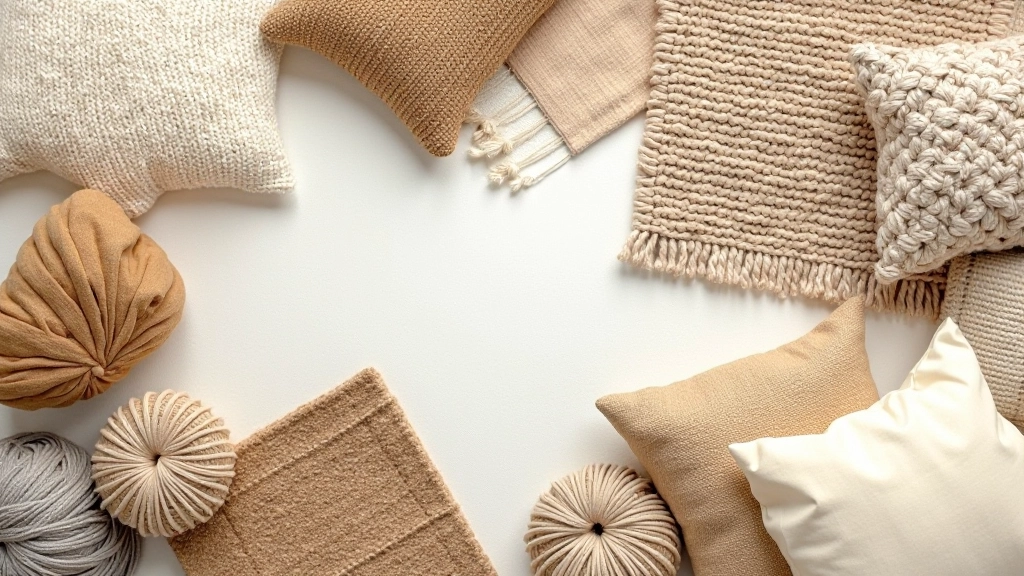
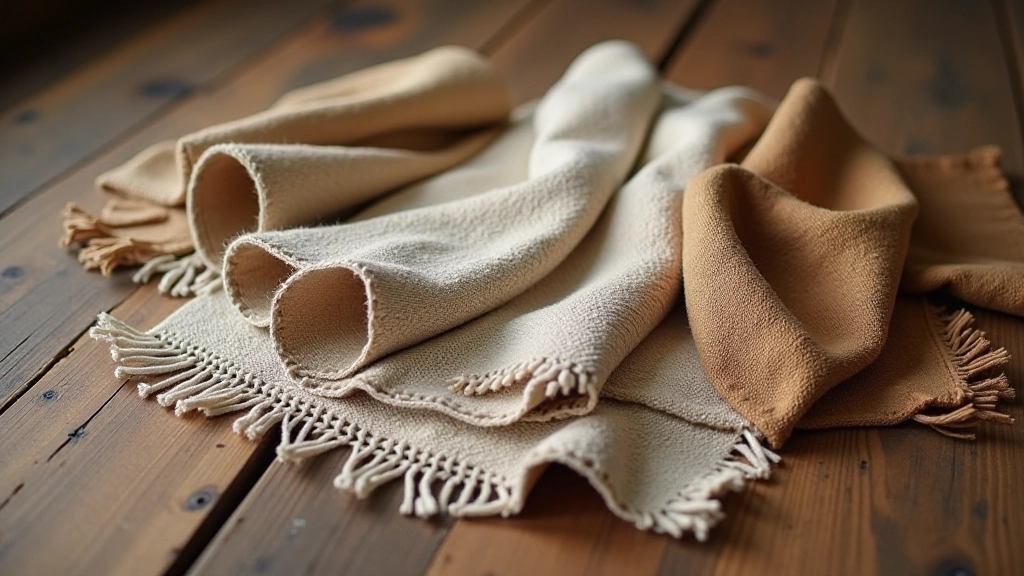
Your material choice depends on traffic and lifestyle. Wool is durable and naturally stain-resistant, but it's pricier. It'll last 10+ years in moderate traffic areas. Cotton and jute feel lighter and work great for bedrooms or low-traffic spaces, though they're less forgiving with spills.
Synthetic blends? They're honest performers. Not luxe, but practical. Easy to clean, affordable, and they hold up in kitchens and entryways where you need something you won't panic about. We see a lot of polypropylene blends in Latvian homes — they handle moisture reasonably well.
High-traffic areas: Wool or wool-blend (80/20 ratio minimum). Kitchens/entries: Synthetic or cotton-blend. Bedrooms: Natural fiber (jute, wool, cotton) for comfort.
This guide provides educational information about rug selection based on design principles and general best practices. Specific needs vary by individual space, climate, and household requirements. Test materials and colors in your actual lighting before purchasing. Regional factors like humidity in Latvia may affect material performance differently than other climates.
Color and Pattern Strategy
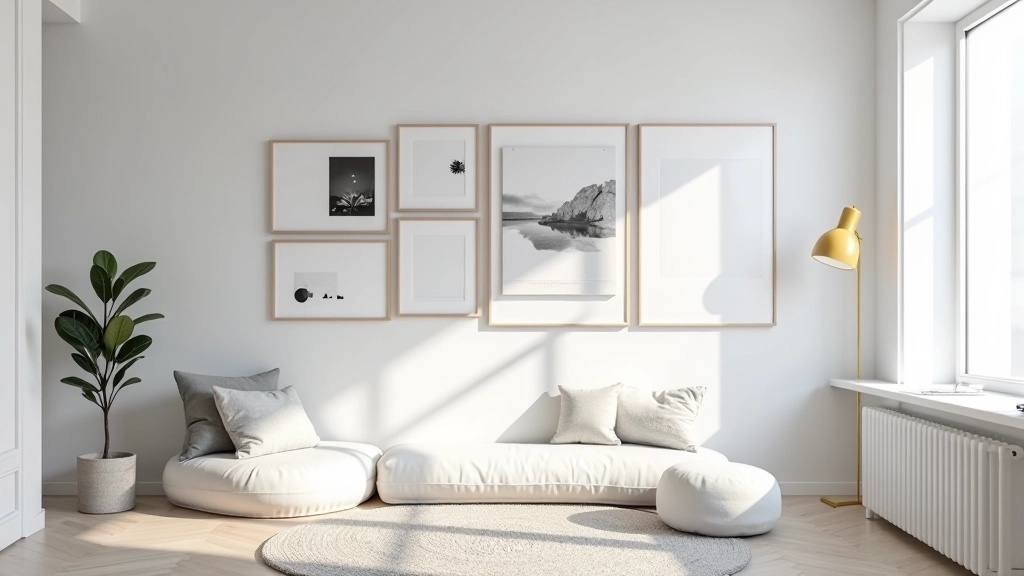
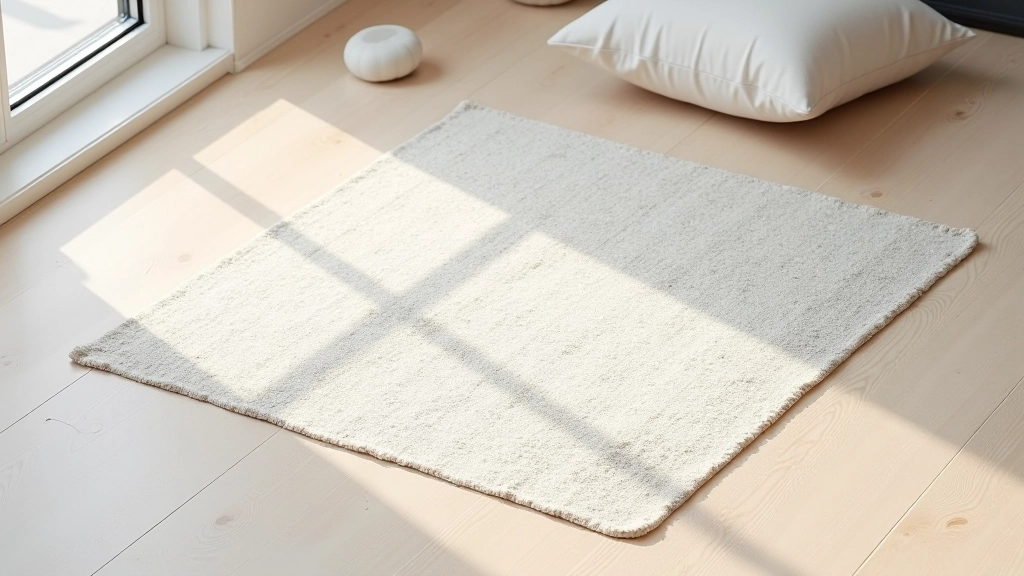
Here's where it gets fun. Your rug sets the tone for everything else. Light neutrals make rooms feel spacious and calm — great if you want flexibility with accent colors later. Darker rugs ground a space and hide dirt, which matters if you've got pets or kids.
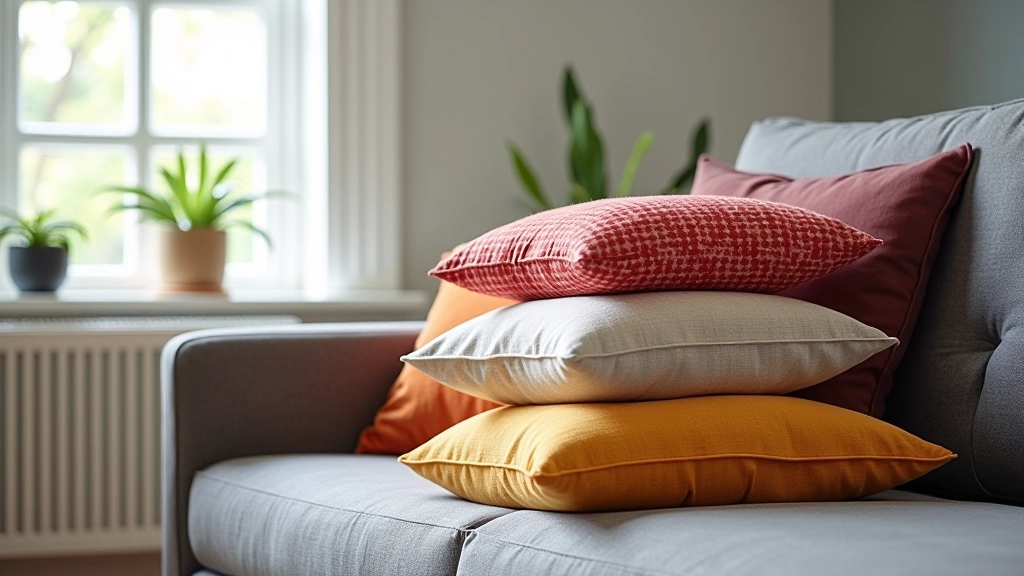
Patterns are trickier. A bold geometric or traditional pattern can become dated faster than you'd think. We recommend starting with subtle textures rather than loud prints. A textured wool in cream or gray gives you visual interest without the commitment. Once you've got the bones right, you layer pattern through pillows and throws — those are way easier to swap out.
Color matching is about lighting. That rug you loved in the store's bright fluorescents might look completely different in your home's natural light. Bring samples home. Live with them for a few days. Seriously. Your eyes adapt to your actual lighting, not the showroom's.
Layering Rugs for Impact
Don't think you're limited to one rug. Layering creates depth and defines zones. A larger neutral base with a smaller patterned rug on top? That's professional-level design. The key is proportion — your top rug should be roughly 60% the size of the base.
This technique works especially well in open-plan spaces. You're creating visual separation between living and dining areas without walls. In a studio apartment, layering signals "this is the bedroom corner" without actually blocking anything off.
Making Your Choice
A rug isn't just decorative. It's functional, textural, and it sets the entire mood of a room. You're investing in comfort underfoot, sound absorption, and that intangible feeling of "this space works."
Start with size and traffic patterns. Choose materials that match your lifestyle. Pick colors that work in your actual lighting. Don't overthink the pattern. And remember — you can always change it. A rug swap is one of the easiest room transformations you can make.